“Mama, what does that word mean?”
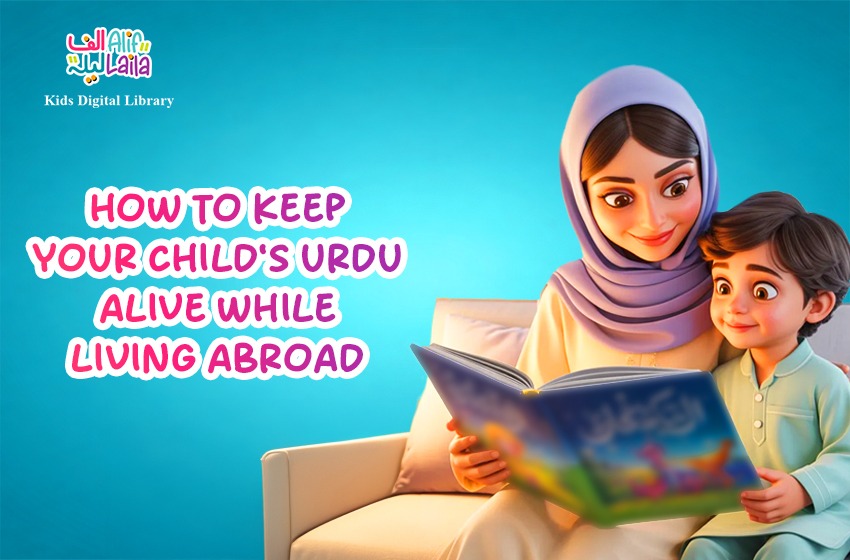
Ever had that little twinge of guilt, as your kids are on a video call with their Nani in Lahore, but they cannot get beyond a basic Thik hoon (I am fine)? And it is the dilemma of the diaspora. Residence in the UK, USA, or Canada implies that English is the school, friend, and YouTube language. Urdu tends to be used as a language to yell or even as a language that is forgotten.
However, let’s be honest, typical Urdu classes are boring to children. They are structured, sluggish, and painful as additional homework. And in case you are a parent who has tried to fill this cultural divide but has not yet shed tears, you are at the right place. The post will assist you in making storytelling a language immersion secret weapon.
Why Immersion Wins Over Memorization
It is one thing to memorize a list of fruits in Urdu, but quite another thing to listen to a Urdu stories such as a Shartarti Bacha (mischievous child). Their brains absorb it when the children listen to the language that is being used in a plot.
The Best “Immersion” Stories on Alif Laila
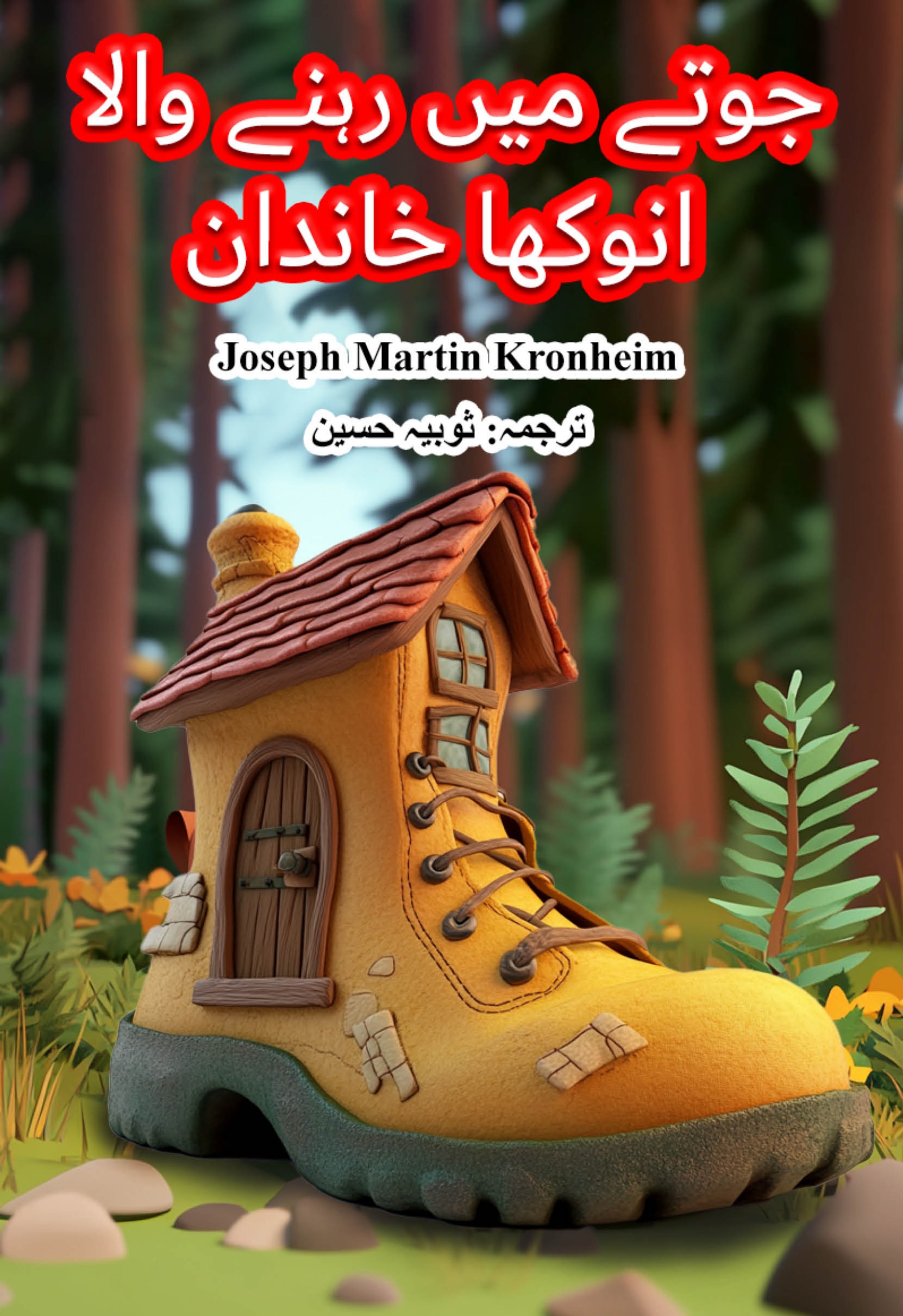
Aik Anokhi Kitab: This is the one that is best to get the curiosity going. It also contains Action Words, with the help of which kids learn how to relate verbs to movement.
The Foolish Donkey’s Tale: Fables are good since the words are simple and the lesson obvious. It is a simple method of adding descriptive Urdu words.
Conclusion
The main trick to unlocking the background of your child is to make it seem like an adventure and not a task. Never remain with the old ways, which do not perform. Install app such as Alif Laila that will allow you to invite the “Digital Nani” into your household, which is miles away in Pakistan.